
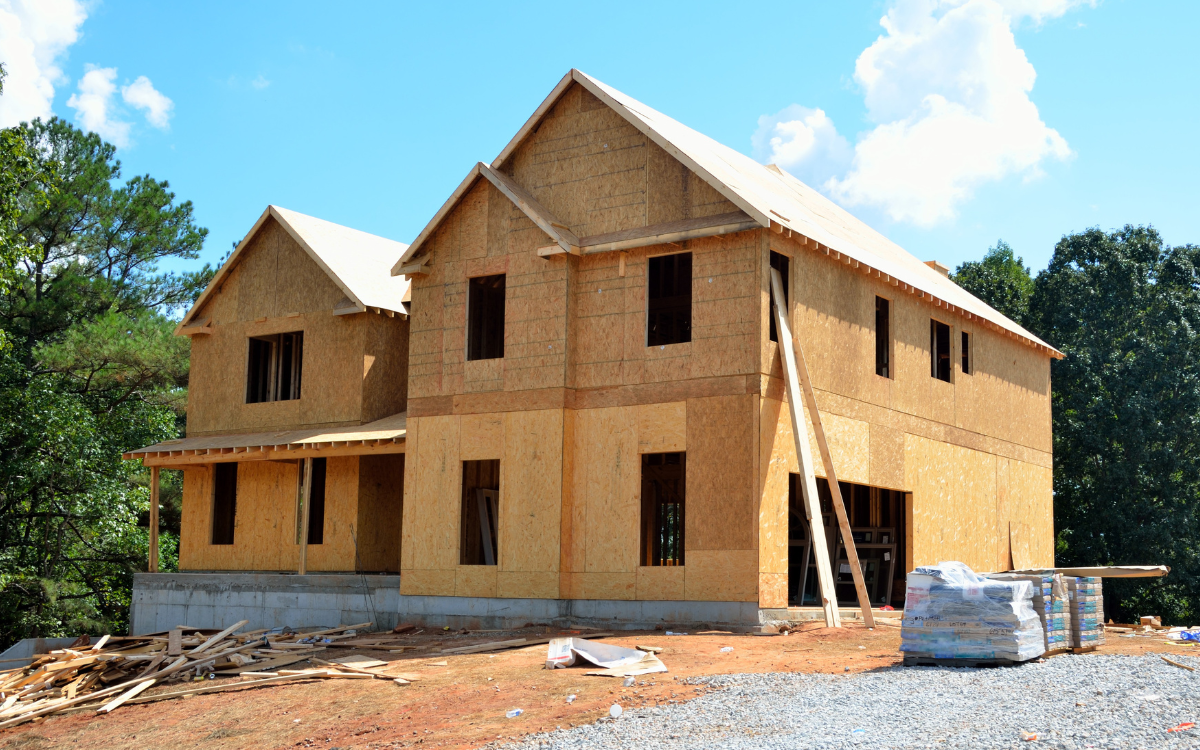
Buying a new home is exciting. Everything feels fresh, the finishes are new, and you may assume the house is in great shape from top to bottom. But there's one thing you can't see, smell, or taste that could still be present: radon.
Radon in new homes is a real concern, even when a house has just been built. Radon is a naturally occurring radioactive gas that comes from soil and rock beneath your home. It can enter through the foundation and build up indoors, regardless of how new the property is.
At Up North Radon, we believe every family deserves to know what's in the air they breathe at home. Here's what homeowners should know about radon in new construction and why testing is an important step in protecting your indoor air quality.
Why Can New Homes Have High Radon Levels?
Radon forms naturally as uranium in soil and rock breaks down. The gas moves through the ground and can enter buildings through small openings in the foundation, including cracks, sump pits, floor drains, and gaps around pipes.
New construction doesn't eliminate these potential entry points. Even a well-built home can have elevated radon levels because the gas comes from the ground beneath it, not from the age or condition of the house.
Radon levels also vary from property to property. Two homes on the same street can have very different results depending on the soil, foundation, and other factors. That's why you can't rely on a neighbor's test results or assume your new home is safe simply because it passed a home inspection. The only way to know your home's radon level is to test it.
Does New Construction Include Radon Protection?
Some newly built homes include a passive radon system as part of their construction. These systems typically use pipes that extend from beneath the foundation and vent toward the roof, allowing radon gas to escape without a fan.
A passive system can help reduce radon levels, but it doesn't guarantee that they will remain below the EPA's recommended action level. Depending on the home and its conditions, the system may not provide enough airflow to keep indoor radon levels low.
Some homes may need an active radon mitigation system, which uses a fan to create suction beneath the foundation and direct radon outdoors before it enters the living space.
If your new home has a passive radon system, don't assume it's working well enough without testing. A professional radon test can help you understand your home's actual levels and determine whether additional steps are needed.
When Should You Test a New Home for Radon?
It's a good idea to test for radon after moving into a new home, even if the builder included a radon-resistant feature or passive system. Testing can also be helpful before closing on a newly constructed home, giving you a clearer picture of the property's indoor radon levels.
Radon testing is straightforward and minimally disruptive. At Up North Radon, the process looks like this:
- Test setup: We place a professional testing device on the lowest livable level of your home. Setup takes about 10 minutes.
- Testing period: The device stays in place for at least 48 hours while we ask you to keep windows and exterior doors closed as much as possible.
- Results and next steps: We'll walk you through your results in plain language and explain your options if your radon levels are elevated.
The U.S. Environmental Protection Agency recommends taking action to reduce radon levels at or above 4.0 picocuries per liter (pCi/L). You may also choose to address lower levels, since no level of radon exposure is considered completely risk-free.
If your results come back elevated, take a breath. It's a common problem, and effective mitigation options are available.
What If Your New Home Has High Radon Levels?
Finding out your new home has elevated radon can be frustrating, especially when everything is brand new. The good news is that radon can be reduced with a properly designed and installed mitigation system.
The right solution depends on your home's foundation and existing radon protection. For some properties, an existing passive system may be upgraded with a fan to create active soil depressurization. Other homes may need a different approach based on their construction.
A professional can evaluate the home, explain your options, and help determine the best next step. After mitigation, follow-up testing is important to confirm that radon levels have decreased.
At Up North Radon, we know firsthand how overwhelming elevated radon levels can feel. When our own family discovered high radon levels in our home, finding local help wasn't easy. That experience inspired us to start a family-owned business focused on helping homeowners get clear answers and dependable solutions without pressure.
Protect Your New Home With Radon Testing
A new home can have elevated radon just like an older one. Whether you're building, buying, or have recently moved in, testing gives you the information you need to make confident decisions about your home's indoor air quality.
Up North Radon provides professional radon testing and mitigation for homeowners across Fargo-Moorhead, Fergus Falls, Minnesota's lakes country, and surrounding communities.
Have questions about radon in your new home? We're happy to talk through the process, explain your results, and help you understand your options.
Contact Up North Radon to schedule a professional radon test and get to know the air your family breathes.